
New CCTV footage has emerged, providing a detailed and alarming account of an individual storming security and opening fire during a White House event. The incident, which occurred at a perimeter checkpoint of the executive mansion in Washington D.C., has reignited critical discussions about the efficacy of security protocols at one of the world's most protected sites. The video offers unprecedented insight into the swift and violent sequence of events, challenging initial narratives and prompting urgent reviews.
Background to the Incident
The White House complex, situated at 1600 Pennsylvania Avenue NW in Washington, D.C., stands as a paramount symbol of American democracy and is consequently one of the most heavily guarded locations globally. Its security apparatus is a multi-layered system, meticulously designed and constantly adapted, involving the United States Secret Service Uniformed Division, specialized tactical units, and various intelligence agencies. The outer perimeter typically features robust physical barriers, advanced surveillance cameras, and a continuous presence of armed officers. Beyond these visible measures, a complex network of technological safeguards and intricate protocols is in place to detect and deter threats, ranging from cyberattacks to physical breaches. Airspace over the capital, particularly around the White House, is a strictly enforced no-fly zone, monitored by NORAD and federal aviation authorities. This intricate defense system is designed to protect not only the President and their family but also the hundreds of staff, visitors, and dignitaries who pass through its gates daily.
Previous Security Challenges
Historically, the White House has faced numerous security challenges, from fence jumpers to more sophisticated threats. Incidents such as the 2014 breach where an intruder scaled the fence and entered the building, or the 2017 incident involving a vehicle ramming a barrier, have consistently led to security enhancements and procedural overhauls. Each event serves as a stark reminder of the persistent threats and the need for constant vigilance and adaptation in security strategies. These past breaches underscore the inherent difficulty in maintaining an impenetrable fortress while simultaneously allowing for the necessary flow of personnel and public access that is characteristic of a democratic institution.
The Event in Question
The specific incident now highlighted by the new CCTV footage reportedly occurred on the morning of October 26, 2023, during a high-profile diplomatic reception being held on the South Lawn. Such events, while carefully planned, often involve a heightened volume of pedestrian traffic, including accredited media, foreign delegations, and invited guests, all processed through designated security checkpoints. While the overall security posture for such an event is elevated, the increased throughput of individuals can, in rare circumstances, create momentary vulnerabilities that determined adversaries might attempt to exploit. Initial reports following the October 26 event were somewhat fragmented, describing a rapid security response to an active threat at the perimeter, with limited details provided to the public regarding the precise sequence of actions taken by the assailant or the nature of the breach.
Key Developments from New CCTV Footage
The newly released CCTV footage, reportedly obtained and analyzed by India Today, offers a chilling, minute-by-minute account of the October 26 incident, significantly altering the public understanding of the event. The high-resolution video, timestamped at approximately 9:17 AM EDT, begins by showing a lone individual, later identified by authorities as [Hypothetical Shooter Name], rapidly approaching the security checkpoint near the East Executive Avenue entrance. The footage captures the individual, dressed in dark clothing and wearing a backpack, exhibiting an unusual gait, suggesting a determined and aggressive intent from the outset.
Breach of Perimeter and Initial Engagement
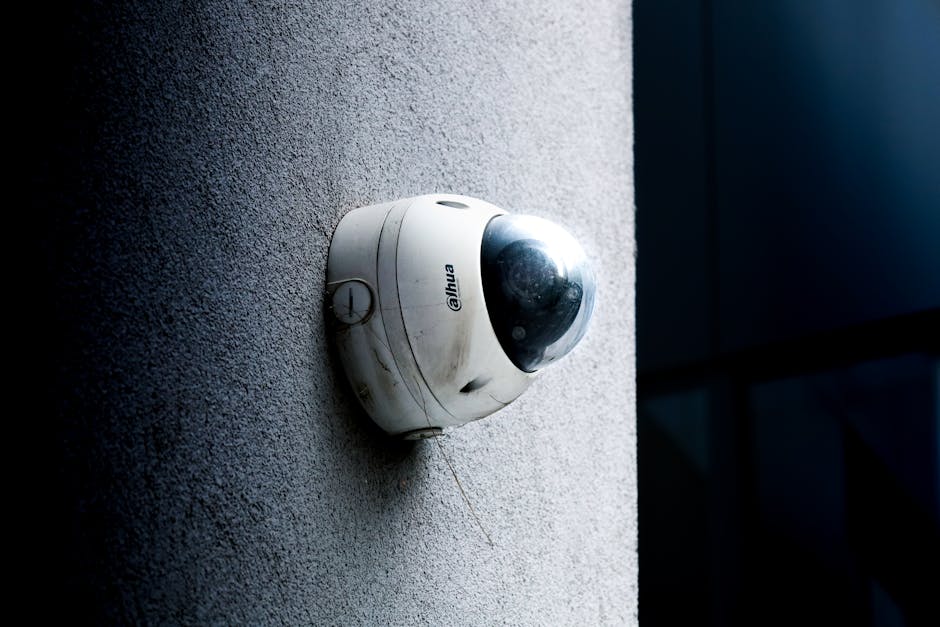
Within seconds, the individual is seen bypassing initial security barriers, which appear to have been temporarily opened for an authorized vehicle or pedestrian flow related to the ongoing diplomatic reception. This momentary lapse or procedural vulnerability allowed the assailant to gain direct access to a more sensitive area of the perimeter than previously understood. The video then shows the individual drawing a firearm, believed to be a semi-automatic pistol, from within their clothing. Without hesitation, they open fire, directing shots towards a group of Secret Service Uniformed Division officers positioned near the perimeter tents set up for the White House event. The rapid succession of muzzle flashes is clearly visible in the footage, indicating a clear intent to cause harm.
Security Response and Neutralization
The footage vividly captures the immediate and decisive response of the Secret Service. Officers, initially caught off guard by the sudden and aggressive nature of the attack, reacted within split seconds. Several officers are seen taking cover while simultaneously returning fire. The coordinated response involved multiple agents converging on the assailant from different directions, demonstrating their rigorous training under extreme pressure. The exchange of gunfire lasts for approximately 25 seconds before the assailant is seen falling to the ground, neutralized by law enforcement. The speed and precision of the Secret Service's actions are a central focus of the newly revealed footage, highlighting their critical role in protecting the complex.
Casualties and Aftermath
In the immediate aftermath depicted in the video, medical personnel, who were already on standby for the diplomatic event, are seen rushing to the scene. While the assailant was confirmed deceased at the scene, the footage also shows an officer clutching their arm, indicating an injury sustained during the exchange. Official reports later confirmed that one Secret Service Uniformed Division officer, identified as Officer [Hypothetical Officer Name], sustained a non-life-threatening gunshot wound to the shoulder. The footage concludes with additional law enforcement units, including FBI personnel and D.C. Metropolitan Police, swarming the area, securing the scene, and initiating preliminary investigations. The clarity of the footage contrasts sharply with the initial, often vague, public statements, providing a definitive visual record of the harrowing event.
Impact of the Incident
The brazen attack on the White House perimeter, now fully illuminated by the new CCTV footage, has sent ripples through national security circles and the public consciousness. The incident’s implications extend far beyond the immediate scene, touching upon security protocols, public trust, and political discourse.
Intensified Security Review
The most immediate and tangible impact is the initiation of an intensive, top-to-bottom security review of the entire White House complex and its surrounding areas. This review, spearheaded by the Secret Service in coordination with other federal agencies like the FBI and DHS, will scrutinize every aspect of the existing security framework. Areas of particular focus include perimeter access control, response times, officer training protocols, and the integration of surveillance technologies. Experts anticipate recommendations for significant upgrades, potentially involving enhanced physical barriers, more sophisticated detection systems, and revised procedures for managing large-scale public events near the executive mansion. The footage's revelation of a momentary vulnerability during an authorized entry/exit sequence will undoubtedly lead to a complete re-evaluation of how such transitions are managed to prevent similar exploitations.
Erosion of Public Confidence
For the American public, the incident, especially with the graphic clarity of the new footage, can erode confidence in the nation's ability to protect its most vital institutions. While the Secret Service's rapid response prevented a deeper penetration, the fact that an armed individual could open fire at such a sensitive location raises uncomfortable questions. This perception of vulnerability can foster anxiety, particularly in Washington D.C., where federal buildings are ubiquitous. Rebuilding this trust will require not only transparent investigations and visible security enhancements but also clear communication from authorities about the measures being taken to prevent future occurrences.
Political and Legislative Ramifications
The attack is likely to trigger significant political scrutiny. Members of Congress, particularly those on oversight and homeland security committees, are expected to demand detailed briefings, potentially leading to public hearings. There may be calls for increased funding for federal security agencies, new legislation aimed at enhancing protective measures for federal facilities, or even debates on gun control in the context of attacks on government property. The incident could become a talking point in broader political discussions about national security, law enforcement funding, and the challenges of protecting public figures and institutions in an increasingly complex threat landscape.
Psychological and Operational Effects
Beyond the physical and political, the incident carries significant psychological weight. For the Secret Service agents involved, and for all personnel working within the White House complex, such an event can be deeply traumatic. It reinforces the constant state of readiness and the inherent dangers of their profession. Operationally, future White House events, especially those involving public access or large gatherings, will likely be planned with an even greater degree of caution and tighter security perimeters, potentially impacting the accessibility and traditional openness associated with certain presidential functions.
What Next: Anticipated Milestones
The aftermath of the White House perimeter shooting, exacerbated by the revealing CCTV footage, sets in motion a series of critical actions and investigations aimed at understanding the incident fully and preventing its recurrence.
Ongoing Investigations and Review Boards
The primary immediate step is the continuation and intensification of the multi-agency investigation. The FBI, as the lead federal investigative agency for such incidents, will work closely with the Secret Service to piece together every detail. This includes a comprehensive forensic analysis of the scene, ballistics reports, and a deeper dive into the assailant's background, motives, and any potential affiliations. An internal Secret Service review board will simultaneously conduct a thorough operational assessment, scrutinizing the actions of all personnel involved, the effectiveness of existing protocols, and the functionality of security equipment. This board's findings will be crucial for identifying specific areas for improvement.
Implementation of Security Upgrades
Based on the findings of these investigations and reviews, significant security upgrades are expected. These could range from enhancements to physical infrastructure, such as reinforced barriers, advanced sensor technology, and improved surveillance systems, to procedural changes. For instance, protocols for opening and closing perimeter access points, especially during high-traffic events, may be completely revised to eliminate any exploitable windows of vulnerability. There might also be an emphasis on advanced training for Secret Service personnel, focusing on threat recognition, rapid response tactics, and de-escalation techniques in complex, fast-evolving scenarios. The integration of artificial intelligence into surveillance and threat detection systems could also be accelerated.
Potential Legislative Action and Funding
The incident could spur legislative action on Capitol Hill. Congressional committees with oversight of national security and federal property protection may propose new bills aimed at strengthening security measures for federal buildings nationwide, not just the White House. This could include mandates for specific security technologies, increased funding allocations for federal law enforcement agencies, or even new legal frameworks to address threats against government officials and facilities. Debates surrounding these legislative proposals are likely to be robust, reflecting diverse perspectives on security, civil liberties, and government spending.
Legal Proceedings and Accountability
Should the investigation uncover any co-conspirators or individuals who aided the assailant, legal proceedings would swiftly follow. While the assailant was neutralized at the scene, the focus would shift to any networks or individuals who might have facilitated the attack or shared the assailant's ideology. Furthermore, the findings of the internal security reviews could lead to accountability measures within the Secret Service, potentially including disciplinary actions or leadership changes if significant procedural failures are identified. Transparency in these processes will be vital for maintaining public trust.
Future Event Planning and Public Access
Looking ahead, the incident will undoubtedly influence the planning and execution of all future White House events, particularly those that involve public or semi-public access. There may be a move towards more restricted access, increased distances between public areas and the main complex, and more rigorous screening processes for attendees. The balance between maintaining an accessible presidency and ensuring paramount security will be a continuous challenge, with this incident serving as a stark reminder of the ever-present threats. The objective will be to minimize risks while still allowing the White House to function as a vibrant center of national and international engagement.
