
Pune's bustling Hinjewadi IT hub experienced an extraordinary weather event on the evening of Wednesday, May 15, 2024, as a severe hailstorm transformed its landscape into a picturesque, snow-like scene. The sudden downpour of ice pellets surprised residents and commuters, creating widespread awe and disruption across the locality.
Background: An Unseasonal Blanket of White
Hinjewadi, a prominent information technology and biotechnology park located in the western part of Pune, Maharashtra, is renowned as a major employment center. Home to numerous multinational corporations, IT campuses, and a rapidly growing residential population, the area is typically characterized by a warm, semi-arid climate, with distinct hot summers, a monsoon season, and mild winters. Hailstorms, while not entirely unprecedented in Maharashtra, are generally rare in such intensity and accumulation, especially during the pre-monsoon period.
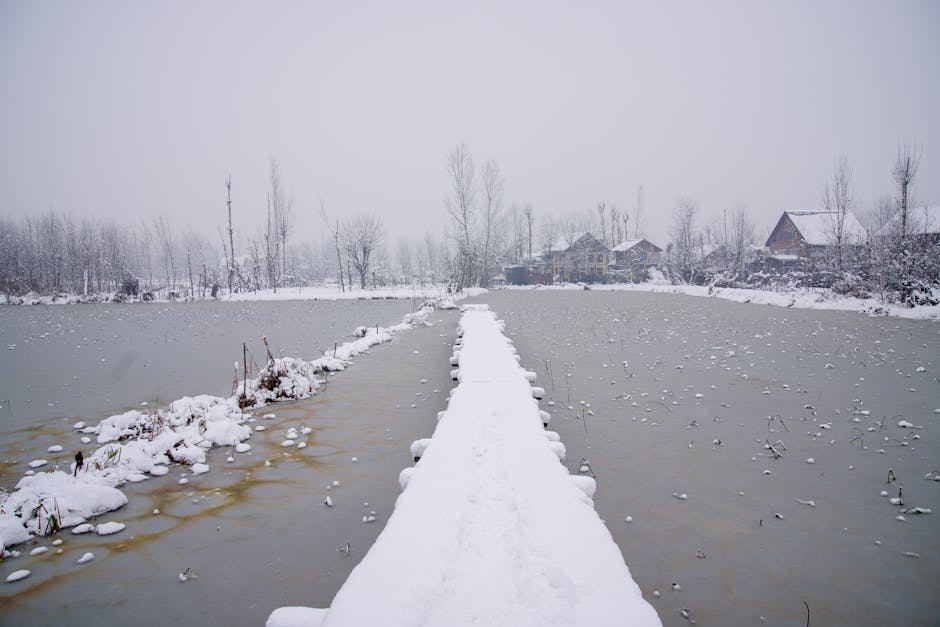
Pune's weather patterns typically involve rising temperatures in April and May, often followed by pre-monsoon thundershowers that bring temporary relief before the onset of the main monsoon season in June. These pre-monsoon showers can sometimes be accompanied by light hail, but the scale witnessed in Hinjewadi on May 15th was significantly beyond the usual. The event quickly drew comparisons to colder, snow-prone regions, with social media users widely sharing images and videos likening the scene to Kashmir or European winter landscapes.
Meteorologically, hailstorms form within severe thunderstorms characterized by strong updrafts. These updrafts carry water droplets high into the atmosphere, above the freezing level, where they freeze into ice pellets. As these pellets fall, they collide with supercooled water droplets, growing larger in layers, much like an onion. If the updrafts are strong enough to keep the hailstones suspended for longer periods, they can grow to considerable sizes before finally succumbing to gravity and falling to the ground. The specific atmospheric conditions on May 15th, including significant moisture and instability, provided the perfect recipe for such an intense hailfall over Hinjewadi.
While Pune has seen localized hailstorms in the past, particularly in rural or semi-urban fringes during transition seasons, a hailstorm of this magnitude, covering an extensive urbanized area like Hinjewadi with a thick white carpet, is considered a notable meteorological anomaly for the region. Previous significant hailstorms in Maharashtra have often been more widespread geographically, affecting agricultural belts, but less concentrated in an urban core with such visual impact.
Key Developments: From Rain to Whiteout
The dramatic weather shift commenced around late afternoon on May 15th, initially with heavy rainfall across parts of Pune. However, as the storm system intensified and moved towards Hinjewadi, the precipitation rapidly transitioned from rain to a relentless barrage of hailstones. Witnesses described the onset as sudden and intense, with the sound of hailstones pelting roofs and vehicles becoming increasingly loud.
Within a short span, estimated to be between 30 to 45 minutes, the ground began to accumulate a thick layer of ice. Hailstones, varying in size from small pebbles to marble-sized, covered roads, pavements, parked cars, and green spaces. The accumulation reached several inches in many areas, transforming the familiar concrete and asphalt landscape into an unfamiliar blanket of white. Trees, bushes, and street furniture were coated in ice, creating surreal winter-like visuals that captivated onlookers.
The visual transformation was immediate and striking. Commuters caught in the storm reported zero visibility at times, forcing vehicles to slow down or even stop. The white cover extended across major thoroughfares like the Hinjewadi-Marunji Road, the internal roads within the IT park, and residential complexes. The sheer quantity of hail was unprecedented for many long-term residents, leading to an outpouring of astonishment and excitement.
Public reaction was swift and widespread. As the storm subsided and the novelty of the scene became apparent, residents and office workers flocked outdoors to capture the moment. Social media platforms like X (formerly Twitter), Instagram, and Facebook were flooded with images and videos showing cars caked in ice, children playing in the hail, and comparisons to snowfall. Hashtags like #PuneHailstorm and #HinjewadiSnowfall quickly trended, bringing national attention to the unusual event. The collective sentiment was a mix of wonder, amusement, and a slight apprehension about the unseasonal nature of the phenomenon.
Initial assessments by local authorities and residents pointed to immediate disruptions. Traffic came to a standstill, with many vehicles struggling to navigate the slippery, ice-covered roads. Several minor accidents were reported due to reduced traction and visibility. Emergency services, including local police and disaster management units, were alerted to monitor the situation, primarily focusing on traffic management and ensuring public safety. While no major structural damage was immediately apparent, concerns were raised about potential impacts on power infrastructure and drainage systems as the hail began to melt.
Impact: Disruption and Delight
The hailstorm’s impact was multifaceted, affecting various segments of the Hinjewadi community, from daily commuters to large corporations and local residents.
Commuters and Traffic Disruption
Hinjewadi, being a major employment hub, experiences heavy traffic during peak hours. The hailstorm struck during the late afternoon, coinciding with the evening rush, causing severe disruption. Key arterial roads connecting Hinjewadi to other parts of Pune, such as the Pune-Bengaluru Highway access points and the internal Spine Road, became treacherous. Vehicles, including cars, two-wheelers, and public transport buses, found it extremely difficult to maintain traction on the icy surfaces. Many commuters reported being stranded for hours, with traffic jams extending for kilometers. Bus services were delayed or rerouted, and ride-sharing services experienced cancellations and surge pricing due to the difficult conditions. The sudden drop in temperature and the biting cold from the hail added to the discomfort of those stuck outdoors.
IT Professionals and Businesses
The IT park houses numerous global companies operating on tight schedules. The hailstorm directly impacted the workforce, with many employees either unable to reach their offices or facing significant delays in their commute home. While most IT companies have robust work-from-home policies, the suddenness of the event meant many were already in the office. Productivity was likely affected in the immediate aftermath, as employees focused on navigating the challenging conditions. Some companies reported minor disruptions to their external connectivity due to localized power fluctuations or damage to overhead cables, though these were largely temporary. The incident served as a reminder for businesses to consider extreme weather scenarios in their operational continuity plans.
Local Residents
For the thousands of residents living in Hinjewadi’s burgeoning residential complexes, the hailstorm presented a mix of novelty and inconvenience. Children, many of whom had never seen anything resembling snow, were delighted, rushing out to play in the hail. However, the event also brought practical challenges. Waterlogging occurred in several low-lying areas as the hail melted, overwhelming drainage systems. Power outages were reported in isolated pockets, attributed to the storm’s intensity and potential damage to electrical infrastructure. Gardens and potted plants suffered damage from the pelting ice. The temporary transformation of their familiar surroundings into a winter wonderland provided a unique, albeit challenging, experience.
Infrastructure Damage
While the hail itself was not large enough to cause catastrophic structural damage, its sheer volume and rapid melting led to other issues. Tree branches, heavy with accumulated ice, snapped in several locations, posing a hazard. Minor damage to rooftops, particularly those with fragile materials, was reported. The most significant impact on infrastructure was related to drainage; the rapid meltwater, combined with existing rain, overwhelmed gutters and storm drains, leading to localized flooding and water accumulation on roads and basements. Efforts by the Pune Municipal Corporation (PMC) and local housing societies to clear choked drains were initiated promptly.
Economic Implications
The immediate economic impact was primarily through disruption. Businesses, particularly retail and food establishments, saw a dip in activity during and immediately after the storm as people stayed indoors. The delays in logistics and supply chains, even if temporary, added to operational costs for some companies. While not a long-term economic threat, such events highlight the vulnerability of urban economies to extreme weather, especially in sectors dependent on seamless connectivity and physical presence.
Psychological Impact and Novelty
Beyond the practicalities, the hailstorm had a notable psychological impact. For many, it was a once-in-a-lifetime experience to witness such a “snowfall” in Pune. The initial shock quickly gave way to excitement, wonder, and a sense of shared community experience as people bonded over the unusual event. The widespread sharing of images and videos underlined the novelty and the collective fascination with nature’s unpredictable displays, juxtaposing the inconvenience with a sense of awe.
What Next: Cleanup, Assessment, and Future Preparedness
As the initial excitement subsides, the focus shifts to recovery, assessment, and future preparedness. The immediate aftermath of the Hinjewadi hailstorm involves several key steps by local authorities and residents.
Cleanup Operations
The most pressing task is the cleanup of the accumulated hail and the management of meltwater. While much of the hail melted naturally within a few hours due to rising temperatures, significant puddles and waterlogged areas remained. The Pune Municipal Corporation (PMC) deployed teams to clear debris, particularly fallen tree branches, and to ensure that drainage systems were functioning optimally. Local housing societies and commercial establishments also undertook their own cleanup efforts, clearing pathways and parking areas. The process of drying out affected areas and ensuring hygiene is ongoing.
Damage Assessment and Repair
A detailed assessment of any damage caused by the hailstorm is underway. This includes evaluating infrastructure like roads, streetlights, and power lines. While major structural damage appears to be minimal, minor repairs to rooftops, garden landscaping, and public amenities are anticipated. Insurance companies may also receive claims for vehicle damage or property damage, prompting their own assessment processes. The goal is to restore full functionality and address any lingering safety hazards.
Meteorological Outlook and Expert Opinions
The India Meteorological Department (IMD) is closely monitoring weather patterns in the region. While the immediate forecast for Pune suggests a return to typical pre-monsoon conditions with possibilities of light thundershowers, another hailstorm of this intensity is not immediately predicted. Meteorologists are analyzing the specific atmospheric conditions that led to the Hinjewadi event, often linking such extreme weather phenomena to broader patterns of climate variability and change. Experts suggest that while individual events cannot be definitively attributed to climate change, the increasing frequency and intensity of extreme weather events globally point towards a need for greater climate resilience.
Preparedness Measures and Lessons Learned
The Hinjewadi hailstorm serves as a valuable learning experience for urban planning and disaster management. Discussions are likely to emerge regarding improving urban infrastructure resilience against extreme weather, including upgrading drainage systems to handle sudden heavy precipitation, ensuring the stability of overhead utilities, and developing better public warning systems. For residents and businesses, the event highlights the importance of having emergency kits, staying informed about weather advisories, and securing outdoor property. The quick dissemination of information through social media, while useful, also necessitates official, verified channels for accurate updates and safety instructions.
Long-term Climate Change Context
In the broader context, such unusual weather events in rapidly urbanizing areas like Pune contribute to the ongoing global dialogue about climate change. While hailstorms are natural phenomena, their increased intensity or occurrence in unexpected regions and seasons aligns with projections of more volatile weather patterns. Understanding these trends is crucial for long-term planning, not just for disaster response but also for sustainable urban development and climate adaptation strategies. The “snowfall” in Hinjewadi, while a momentary spectacle, underscores the evolving challenges presented by a changing climate.
