
Apple's forthcoming iOS 27, currently in its advanced developer beta phase, introduces a significantly overhauled landscape mode experience across its native applications. This extensive redesign, meticulously observed by industry analysts and developers alike, is fueling intense speculation that it serves as a foundational architectural shift, preparing the software giant for the eventual launch of its long-anticipated foldable iPhone, potentially emerging in the latter half of this decade. The changes, first publicly showcased during the Worldwide Developers Conference (WWDC) in June 2026, represent a concerted effort to optimize the iPhone's user interface for wider, more versatile display configurations.
Background: Apple’s Evolving Relationship with Landscape
Apple's journey with landscape orientation began prominently with the iPad in 2010, designed from its inception to be used in both portrait and landscape modes. The iPhone, traditionally a portrait-first device, saw its first significant landscape adaptations with the introduction of the iPhone 6 Plus in 2014, offering a landscape home screen and two-pane views in certain applications like Mail and Messages. These features, however, remained somewhat limited and were largely confined to the larger "Plus" and later "Max" models, never fully integrating into the core iPhone experience with the same fluidity as on the iPad.
Over the years, Apple incrementally enhanced multitasking capabilities on the iPad, introducing Split View and Slide Over, which allowed users to run multiple applications simultaneously. These features, while powerful, highlighted a growing divergence in UI philosophy between the iPadOS and iOS platforms. The iPhone, even with its larger Pro Max variants, primarily retained a single-app-focused interface in landscape, often simply expanding content rather than reorganizing it for enhanced productivity or multi-pane views.
Meanwhile, the broader smartphone market witnessed the emergence of foldable devices. Samsung pioneered the category with its Galaxy Fold series in 2019, followed by offerings from Huawei, Xiaomi, Oppo, and more recently, Google with its Pixel Fold in 2023. These devices, transitioning from a phone-sized form factor to a tablet-like display, presented unique UI/UX challenges and opportunities, particularly in how applications adapt to dynamic screen changes and varying aspect ratios. Apple, known for its cautious approach to new product categories, has remained conspicuously absent from the foldable phone race, despite numerous patent filings dating back to 2016 detailing various foldable display technologies and hinge mechanisms. Industry watchers have long speculated that Apple would only enter the market once it had a refined software experience to complement its hardware, avoiding the early pitfalls faced by competitors. The internal "Project Avalon" team, reportedly tasked with exploring advanced display technologies and flexible form factors, has been a subject of quiet rumor for several years within Cupertino's R&D labs.
Key Developments: iOS 27’s Landscape Overhaul
iOS 27 introduces a suite of changes that fundamentally rethink how the iPhone operates in landscape, moving beyond simple content expansion to a more sophisticated, adaptive layout system. These changes are evident across the operating system and its core applications, signaling a strategic shift.
Enhanced Adaptive Layouts and SwiftUI Integration
At the heart of iOS 27's landscape transformation is a deeper integration of SwiftUI and an updated UIKit framework that prioritizes adaptive layouts. Developers are now encouraged to design interfaces that fluidly respond to changes in screen size, orientation, and even the presence of multiple display segments. The new `DisplayEnvironment` API provides granular control over UI elements, allowing apps to intelligently reconfigure themselves not just based on width and height, but also on factors like hinge position or screen segment availability, should a foldable device be detected. This marks a significant departure from previous versions, where developers often had to implement more rigid, conditional layouts for different device classes.
Redesigned Core Applications for Wider Views
Apple's own suite of applications has received extensive updates to leverage the new landscape capabilities.
Mail: The Mail app now defaults to a two-pane view in landscape mode, mirroring the iPad experience. The message list occupies the left pane, while the selected email's content fills the right. This allows for quicker triage and navigation, eliminating the need to constantly switch between list and detail views. A new "Contextual Preview" feature enables a third, smaller pane for quick glances at attachments or linked content without leaving the main view.
* Safari: Safari benefits from a reorganized interface in landscape. The tab bar can now be optionally moved to the left side of the screen, providing more vertical space for web content. Reader Mode has been enhanced to automatically adjust column width for optimal readability on wider displays, and a new "Split Window" gesture allows users to quickly open two Safari tabs side-by-side, facilitating research or comparison shopping.
* Messages: The Messages app adopts a familiar two-column layout, with the conversation list on the left and the active chat thread on the right. This significantly improves the experience for active communicators, allowing them to monitor multiple conversations more effectively. Rich media previews and sticker selections are also better integrated into the expanded chat pane.
* Calendar: The Calendar app in landscape now offers a more comprehensive view, displaying both a monthly overview and a detailed daily or weekly agenda simultaneously. Event creation and editing interfaces are less intrusive, often appearing as floating cards rather than full-screen overlays, preserving context.
* Photos: The Photos app leverages wider screens for an enhanced viewing and editing experience. Photo grids can display more images, and the editing interface has been reorganized to place controls on the sides, leaving the central image unobstructed. A new "Comparison Mode" allows users to view two photos side-by-side for editing or selection purposes.
* Maps: Maps in landscape provides an expanded view of navigation instructions and points of interest. The search bar and route options are intelligently relocated to the sides, maximizing the map display area. A new "Multi-Route Comparison" feature allows users to compare several route options simultaneously on the wider canvas.
New Multitasking Gestures and “Continuity Display”
iOS 27 introduces a refined set of multitasking gestures that feel more intuitive for larger, dynamic screens. Drag-and-drop functionality has been expanded, allowing users to move content between apps more seamlessly in Split View. A new "App Pairing" feature enables users to save specific app combinations that can be launched together in a pre-defined split-screen configuration, enhancing productivity for common workflows.
Perhaps the most telling feature is "Continuity Display," an underlying system service that intelligently manages app states and window layouts across different screen configurations. While not explicitly tied to a foldable device in current beta documentation, its description points to a system capable of smoothly transitioning an app's UI from a smaller, single screen to a larger, multi-pane display without interruption. This technology, internally rumored as "Project Shifter," is crucial for a device that changes its physical form factor.
Evolving Dynamic Island and Developer Tools
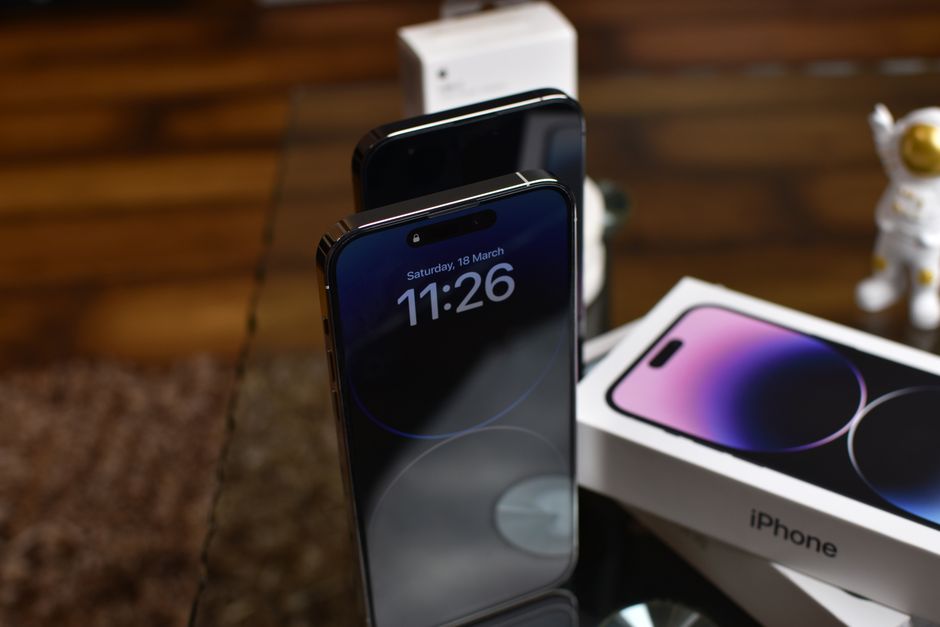
The Dynamic Island, introduced with the iPhone 14 Pro, also sees adaptations for wider displays. While its core functionality remains, its visual presentation and interactive elements are designed to be more flexible, potentially splitting across a wider notch or adapting to a different screen geometry on a foldable device.
For developers, Apple has released new Xcode tools and frameworks that simplify the creation of adaptive UIs. The new `AdaptiveLayoutKit` provides pre-built components and guidelines for designing apps that gracefully scale and reconfigure across a spectrum of screen sizes. Debugging tools now include a "Foldable Simulator" that allows developers to test their applications in various folded and unfolded states, complete with simulated hinge angles and display transitions, further underscoring Apple's long-term vision.
Impact: Reshaping User Experience and Market Expectations
The comprehensive landscape overhaul in iOS 27 carries significant implications for users, developers, and the broader smartphone market.
Enhanced User Productivity and Immersion
For current iPhone users, particularly those with Pro Max models, the changes promise a more productive and immersive experience. Tasks like email management, web research, and media consumption will be significantly improved in landscape orientation. The ability to view more content simultaneously, coupled with refined multitasking gestures, transforms the iPhone from a primarily portrait-focused device into a more versatile mini-tablet when held horizontally. This could extend device usage times and reduce the perceived need for a separate iPad for certain tasks.
New Opportunities and Challenges for Developers
The developer ecosystem stands to benefit from the new APIs and frameworks, enabling them to create more sophisticated and adaptable applications. This opens up new avenues for app design, particularly for productivity tools, creative suites, and immersive entertainment. However, it also presents a challenge: developers will need to update their applications to fully leverage these new capabilities, ensuring their UIs are not merely stretched but intelligently reconfigured. Apps that fail to adapt may appear dated or offer a suboptimal experience on future devices. Apple's emphasis on adaptive design through SwiftUI aims to simplify this transition, but a significant effort will still be required from the developer community.
Signaling Apple’s Hardware Strategy
Perhaps the most profound impact of iOS 27's landscape mode is its strong signal regarding Apple's future hardware strategy. The sheer depth and breadth of these software changes, which go far beyond what a standard non-foldable iPhone would strictly require, suggest that Apple is laying extensive groundwork for a foldable device. This isn't just about making current iPhones better in landscape; it's about building a robust software foundation that can gracefully handle the dynamic screen changes inherent to a foldable form factor. It indicates that Apple is confident in its internal "Project Horizon" foldable hardware development and is preparing the ecosystem well in advance. This move positions Apple to potentially set new industry standards for foldable UI/UX, much as it did for the smartphone and tablet categories.
Influencing the Foldable Market
Apple's entry into the foldable market, whenever it occurs, is expected to significantly impact the entire segment. By refining the software experience first, Apple could address many of the UI inconsistencies and app adaptation challenges that have plagued early foldable devices from competitors. If Apple delivers a seamless and intuitive foldable experience, it could catalyze broader consumer adoption and push competitors to further innovate their own software offerings. This could elevate the entire foldable category, moving it from a niche product to a more mainstream offering.
Benefits for Enterprise and Creative Professionals
The enhanced landscape mode and potential foldable device hold particular appeal for enterprise users and creative professionals. Business users could benefit from improved multitasking for document review, data analysis, and communication. Sales professionals might find it easier to present information on a larger, more dynamic screen. Creative professionals, such as photographers, designers, and video editors, could leverage the expanded canvas for more precise editing, better previews, and more efficient workflows on the go, blurring the lines between mobile and desktop productivity.
What Next: Anticipated Milestones and Future Prospects
The release of iOS 27 with its advanced landscape capabilities marks a significant milestone, but it is likely just the beginning of Apple's strategic rollout.
Further Beta Refinements and Developer Feedback
Throughout the remainder of the iOS 27 beta cycle, Apple will undoubtedly refine these landscape features based on extensive developer feedback. Performance optimizations, bug fixes, and minor UI tweaks are expected as the company prepares for the public release in September 2026. Developers will continue to experiment with the new APIs, providing real-world testing and identifying areas for improvement.
WWDC 2027 and Beyond
The Worldwide Developers Conference in June 2027 could be a pivotal event. While the initial iOS 27 announcement focused on software, WWDC 2027 might see Apple delve deeper into the implications of these changes, perhaps even hinting at future hardware. Industry analysts are closely watching for any "one more thing" moments that could directly address a foldable iPhone. Future iOS versions (iOS 28, iOS 29) are expected to build upon this foundation, introducing even more specialized features tailored for dynamic and flexible displays, potentially including advanced haptic feedback for hinge mechanisms or new pen input optimizations for larger screens.
Interim Hardware Developments
Before a dedicated foldable iPhone, Apple might introduce interim hardware that showcases the enhanced landscape mode. For instance, the iPhone 18 Pro Max or iPhone 19 Pro Max could feature slightly larger displays or more refined aspect ratios that maximize the benefits of iOS 27's landscape overhaul, providing a bridge to the eventual foldable device. These models could serve as a testing ground for user acceptance of more tablet-like iPhone experiences.
Anticipated Foldable iPhone Launch
The consensus among analysts, including those from TF International Securities and Display Supply Chain Consultants, suggests a foldable iPhone could launch sometime between 2027 and 2028. The maturity of iOS 27's landscape mode strongly supports this timeline, indicating that Apple is meticulously preparing the software experience well in advance of the hardware debut. The initial foldable device is rumored to feature an inward-folding design, similar to Samsung's Galaxy Fold, but with Apple's signature industrial design and premium materials.
Ecosystem Expansion and Competitive Response
The arrival of an Apple foldable would inevitably lead to an expansion of its accessory ecosystem, with new cases, screen protectors, and perhaps even specialized input devices tailored for the larger, flexible screen. New app categories optimized for the unique form factor could also emerge. Competitors like Samsung and Google would undoubtedly respond with their own innovations, accelerating the pace of development in the foldable market and driving further advancements in display technology, hinge design, and software integration across the industry. This could lead to a new era of smartphone innovation, with Apple once again playing a pivotal role in shaping its direction.
