
The Central government has revoked its order to detain renowned education reformist and environmental activist Sonam Wangchuk under the National Security Act (NSA). This significant development comes amidst ongoing protests in Ladakh, where Wangchuk has been a prominent voice advocating for constitutional safeguards for the region. The revocation marks a notable shift in the government's approach towards the activist and the broader "Save Ladakh" movement.
Background: Ladakh’s Quest and Wangchuk’s Activism
Ladakh, a high-altitude cold desert region, has been at the forefront of a sustained movement demanding constitutional protection and statehood. Its unique socio-cultural identity and fragile ecosystem have long been subjects of concern for its inhabitants. The region's political status underwent a significant transformation in August 2019 when the Indian Parliament abrogated Article 370, revoking Jammu and Kashmir's special status and bifurcating the state into two Union Territories: Jammu & Kashmir (with a legislature) and Ladakh (without a legislature).
The Genesis of the “Save Ladakh” Movement
Following the 2019 reorganization, a broad consensus emerged among various Ladakhi political, social, and religious organizations demanding safeguards for their land, culture, and environment. The primary demand has been the inclusion of Ladakh under the Sixth Schedule of the Indian Constitution. The Sixth Schedule provides for the administration of tribal areas in four Northeastern states (Assam, Meghalaya, Tripura, and Mizoram), granting significant autonomy to district councils to protect the rights of indigenous populations, including control over land, forest, and cultural practices. Ladakhis fear that without such protections, large-scale industrialization and unchecked tourism could irrevocably damage their delicate ecosystem and dilute their distinct cultural heritage. Another key demand is the restoration of statehood for Ladakh, arguing that a Union Territory without an elected legislature lacks adequate democratic representation and decision-making power.
Sonam Wangchuk: A Voice for Ladakh
Sonam Wangchuk, an engineer, innovator, and education reformist, rose to international prominence for his pioneering work in education and sustainable development. He is the founder of the Students' Educational and Cultural Movement of Ladakh (SECMOL) and the Himalayan Institute of Alternatives, Ladakh (HIAL). His innovative solutions, such as the "Ice Stupa" artificial glaciers to address water scarcity, have garnered global recognition, including the Ramon Magsaysay Award in 2018. Wangchuk's public profile and unwavering commitment to environmental causes made him a natural leader for the "Save Ladakh" movement. He has consistently used his platform to highlight the ecological vulnerabilities of Ladakh and the aspirations of its people for self-determination and protection.
The Protests and the Threat of NSA
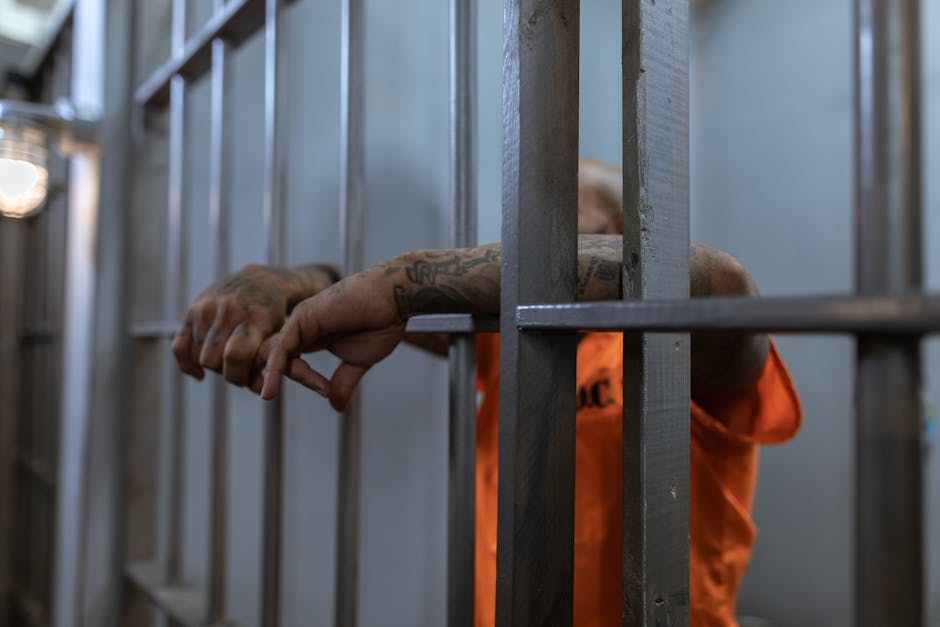
Wangchuk's activism intensified in early 2024, as he embarked on a series of hunger strikes and public protests to draw national and international attention to Ladakh's demands. In March 2024, he undertook a 21-day "climate fast" in Leh, braving sub-zero temperatures, which garnered widespread support and concern. During this period, reports emerged of a potential detention order under the National Security Act being considered against him. The NSA, a stringent preventive detention law, allows the government to detain individuals for up to 12 months without charge if deemed a threat to national security or public order. The mere threat or application of such an act against a prominent peaceful activist like Wangchuk sparked widespread condemnation from civil society groups, human rights organizations, and legal experts, who viewed it as an attempt to stifle dissent and suppress legitimate protest.
Key Developments: The Revocation and Its Immediate Aftermath
The revocation of the detention order under the National Security Act for Sonam Wangchuk marks a significant turning point in the unfolding situation in Ladakh. This executive decision by the Central government has been met with relief and cautious optimism by the activist's supporters and the broader movement.
The Official Announcement
While specific details regarding the exact date and issuing authority of the revocation order were initially awaited, the news of its withdrawal became public through various reports and statements from Wangchuk's legal team and supporters. The Central government, likely through the Ministry of Home Affairs or the local administration in Ladakh, would have issued the formal order nullifying the previous intent or directive for NSA detention. No specific official reason for the revocation was immediately provided by the government, but it is widely perceived as a response to mounting public pressure, legal scrutiny, and the potential for adverse publicity.
Reactions from Wangchuk and Supporters
Upon the news of the revocation, Sonam Wangchuk himself, while not making an immediate detailed public statement, expressed a sense of vindication and renewed resolve. His legal team confirmed the withdrawal of the NSA threat, reiterating that his activism has always been peaceful and constitutional. Supporters of the "Save Ladakh" movement celebrated the decision as a victory for democratic rights and freedom of expression. Many viewed it as an acknowledgement by the government of the legitimacy of their concerns and the peaceful nature of their protests. The revocation is expected to significantly boost the morale of the activists and strengthen their resolve to continue advocating for Ladakh's demands.
The Legal Context of Revocation
The National Security Act (NSA) permits preventive detention, meaning an individual can be detained before any crime is committed, based on the apprehension that they might act in a manner prejudicial to national security or public order. Such orders can be issued by the Central government or state governments. The revocation of an NSA order typically involves the same authority that issued it, or a higher authority, deciding that the grounds for detention no longer exist or were insufficient in the first place. This could be due to a re-evaluation of intelligence, a change in circumstances, or a response to external pressures, including potential legal challenges. While Wangchuk had not been formally detained under NSA, the threat itself carried significant legal and personal implications, restricting his movements and activities. The revocation removes this Sword of Damocles, allowing him greater freedom to engage in his public advocacy.
Impact: A Multifaceted Outcome
The revocation of the National Security Act detention order against Sonam Wangchuk carries significant implications for the activist, the "Save Ladakh" movement, and the government's standing on civil liberties.
For Sonam Wangchuk and the “Save Ladakh” Movement
For Sonam Wangchuk, the immediate impact is a restoration of his complete personal freedom without the looming threat of arbitrary detention. This enables him to continue his environmental and social activism with renewed vigour and without the fear of legal repercussions under a draconian law. The revocation also serves as a strong vindication of his peaceful methods and the legitimacy of the causes he champions. For the "Save Ladakh" movement, this development is a significant morale booster. It reinforces the belief that sustained, peaceful advocacy can yield results and that public pressure, both domestic and international, can influence government decisions. The movement can now operate with less apprehension, potentially attracting more participants and garnering broader support for its demands for Sixth Schedule status and statehood. It reaffirms the democratic right to protest and voice dissent against government policies.
For the Government’s Image and Policy
The Central government's decision to revoke the NSA order can be interpreted in several ways. Firstly, it could be seen as a pragmatic move to de-escalate tensions in Ladakh and avoid further controversy. The application of NSA against a globally recognized, peaceful activist would have drawn severe criticism from human rights organizations, international bodies, and democratic allies, potentially damaging India's image on the global stage regarding civil liberties and freedom of expression. Secondly, it might signal a willingness to engage in dialogue with the Ladakhi leadership rather than resorting to coercive measures. This shift could pave the way for more constructive negotiations on the region's demands. However, critics might also view it as a tactical retreat under pressure, without addressing the fundamental issues that led to the protests. The government must now demonstrate genuine commitment to addressing Ladakh's concerns to fully repair trust.
Broader Implications for Civil Liberties and Dissent
This incident has broader implications for civil liberties and the right to dissent in India. The initial threat of NSA detention against a peaceful activist had raised serious concerns about the shrinking space for dissent and the potential misuse of stringent laws to silence critical voices. The revocation, while positive, underscores the precariousness of such situations. It highlights the constant vigilance required from civil society, legal fraternity, and media to safeguard fundamental rights. It also sends a message that while the government possesses powerful tools like NSA, their application, especially against peaceful activists, will face significant public and legal challenge. This could potentially deter the arbitrary use of such laws in similar future contexts, though the underlying powers remain.
What Next: Path Forward for Ladakh and Wangchuk
The revocation of the NSA detention order is a crucial development, but it marks a beginning rather than an end to the complex situation in Ladakh. The focus now shifts to the future trajectory of the "Save Ladakh" movement and the government's response to its core demands.
Resumption of Activism and Dialogue
With the immediate threat of detention lifted, Sonam Wangchuk is expected to resume his prominent role in the "Save Ladakh" movement. He has consistently stated his commitment to peaceful and democratic means of protest. While the nature and intensity of future protests remain to be seen, it is likely that the movement will continue to press for its demands, potentially through further hunger strikes, public rallies, and engagement with political stakeholders. The revocation could also open doors for renewed dialogue between the representatives of Ladakh and the Central government. Both sides have previously engaged in discussions, but without significant breakthroughs. The current development might create a more conducive environment for meaningful negotiations on the Sixth Schedule status and statehood.
Government’s Next Steps on Ladakh’s Demands
The critical question remains how the Central government will address the substantive demands of Ladakh. Granting Sixth Schedule status or statehood involves complex constitutional amendments and significant policy shifts. While the government has previously expressed willingness to protect Ladakh's unique identity, concrete steps have been limited. The "Save Ladakh" movement will be closely watching for any legislative action, policy announcements, or high-level committees formed to specifically address their concerns. The government faces the challenge of balancing the aspirations of the local population with broader administrative and strategic considerations for the region.
Monitoring and Continued Advocacy
Civil society organizations, human rights advocates, and environmental groups will continue to closely monitor the situation in Ladakh. Their advocacy will remain crucial in ensuring that the government not only refrains from using coercive measures but also genuinely engages with the demands for constitutional protection and democratic representation. The international community, which has been observing the situation, will also continue to watch for developments, especially regarding the protection of indigenous rights and environmental safeguards in the ecologically sensitive Himalayan region. The revocation of the NSA order is a positive step, but sustained pressure and constructive engagement will be vital to achieve a lasting and equitable resolution for the people of Ladakh.
