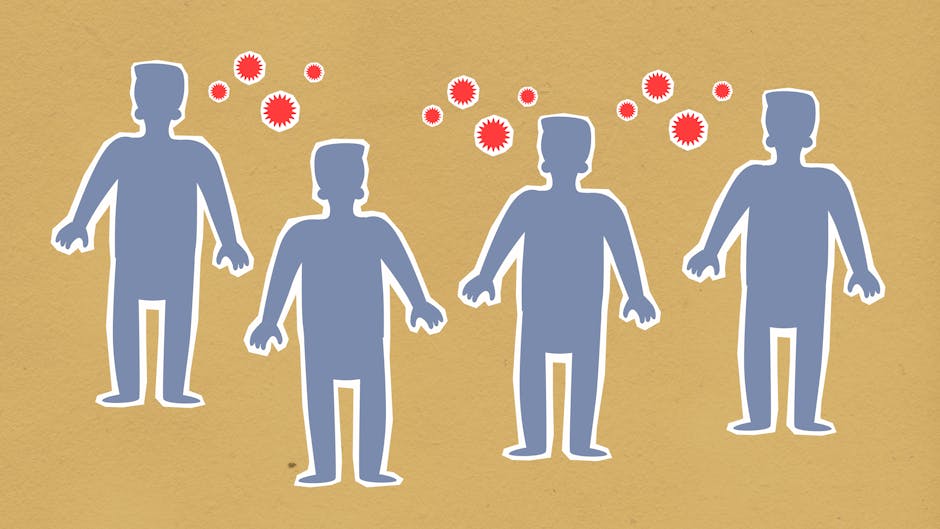
A growing consensus among global health experts indicates that infectious diseases, including highly virulent pathogens like hantavirus and Ebola, are becoming more frequent, geographically widespread, and damaging. This alarming trend, observed over recent decades and accelerating in the 21st century, poses a significant and evolving challenge to public health systems, economies, and societal stability worldwide. The increasing frequency of outbreaks demands urgent international attention and coordinated preventative strategies.
Background: A History of Emerging Threats
The emergence of novel infectious diseases, or the re-emergence of known ones, is not a new phenomenon. Throughout history, humanity has contended with epidemics and pandemics. However, the current pace and scale of disease emergence are unprecedented. Many of these escalating threats are zoonotic, meaning they originate in animals and spill over into human populations, often due to increasing human-animal interaction.
One of the earliest widely recognized modern zoonotic pandemics was HIV/AIDS, which emerged in the mid-20th century and has since claimed tens of millions of lives globally. The severe acute respiratory syndrome (SARS) outbreak in 2002-2003, originating in bats and civets in China, demonstrated the rapid global spread possible in an interconnected world. Similarly, the Middle East Respiratory Syndrome (MERS) in 2012, linked to camels, highlighted the ongoing threat from animal reservoirs. These events served as stark warnings, yet the underlying drivers continued to intensify.
Drivers of Disease Emergence
Several interconnected factors contribute to the escalating frequency and impact of infectious diseases:
Deforestation and Habitat Loss: As human populations expand, forests and natural habitats are cleared for agriculture, logging, and urbanization. This forces wildlife, which can carry a multitude of pathogens, into closer proximity with human settlements. The destruction of ecosystems disrupts natural pathogen regulation, increasing the likelihood of spillover events. Regions like the Amazon basin, parts of Central Africa, and Southeast Asia are particular hotspots for such interactions.
* Climate Change: Shifting weather patterns and rising global temperatures directly influence disease vectors and pathogen survival. Mosquitoes and ticks, which transmit diseases like malaria, dengue, Zika, and Lyme disease, are expanding their geographic ranges into previously unaffected areas. Altered precipitation patterns can also lead to increased rodent populations, as seen with hantavirus outbreaks linked to heavy rainfall followed by abundant food sources.
* Rapid Urbanization and Population Density: The explosive growth of mega-cities, particularly in low- and middle-income countries, creates dense populations ideal for rapid disease transmission. Inadequate sanitation, crowded living conditions, and strained public health infrastructure within these urban centers can accelerate outbreaks.
* Global Travel and Trade: Modern transportation networks allow pathogens to traverse continents within hours. An infected individual can board a flight in one part of the world and arrive in another before symptoms even manifest, facilitating rapid international spread. The global trade of live animals, animal products, and goods also presents pathways for pathogen dissemination.
* Intensive Livestock Farming and Bushmeat Trade: Large-scale animal agriculture can create environments where pathogens can emerge, mutate, and jump to humans. The bushmeat trade, particularly prevalent in parts of Africa, involves hunting and consuming wild animals, providing direct routes for zoonotic transmission of viruses like Ebola and Lassa fever.
Historical Context of Key Pathogens
Understanding the history of specific diseases underscores the evolving threat:
Ebola Virus Disease (EVD): First identified in 1976 near the Ebola River in what is now the Democratic Republic of Congo (DRC), Ebola is known for its high fatality rate, often ranging from 25% to 90%. While historically confined to sporadic, localized outbreaks in Central and East Africa, the 2014-2016 West African epidemic marked a devastating turning point. This outbreak, affecting Guinea, Liberia, and Sierra Leone, infected over 28,000 people and caused more than 11,000 deaths, demonstrating the virus's potential for widespread disruption in fragile health systems. Subsequent outbreaks in the DRC (e.g., 2018-2020, 2021, 2022) have been contained more effectively due to improved surveillance, rapid response, and the deployment of experimental vaccines, but they continue to strain local resources.
* Hantavirus: This group of rodent-borne viruses causes severe respiratory and hemorrhagic diseases in humans. The first hantavirus to be widely recognized was Hantaan virus, responsible for Korean Hemorrhagic Fever during the Korean War. In the Americas, Hantavirus Pulmonary Syndrome (HPS) gained prominence after a significant outbreak in the Four Corners region of the United States in 1993. HPS is typically transmitted when humans inhale aerosolized virus from rodent droppings, urine, or saliva. Outbreaks are often linked to environmental changes that lead to increased rodent populations, such as heavy rainfall followed by abundant vegetation. The virus is endemic in many parts of the world, with new strains and localized outbreaks reported regularly, often in rural or semi-rural areas.
* Lassa Fever: Endemic in West Africa, particularly in Sierra Leone, Liberia, Guinea, and Nigeria, Lassa fever is caused by the Lassa virus, carried by the multimammate rat (Mastomys natalensis). The disease causes hemorrhagic fever and is responsible for an estimated 100,000 to 300,000 infections and 5,000 deaths annually. Its prevalence is exacerbated by poor sanitation and close human-rodent contact in affected regions.
* Marburg Virus Disease: Closely related to Ebola, Marburg virus was first identified in 1967 following outbreaks in Marburg and Frankfurt, Germany, and Belgrade, Yugoslavia, linked to laboratory monkeys imported from Uganda. Like Ebola, it causes severe hemorrhagic fever with a high fatality rate. Recent outbreaks, such as those in Ghana and Equatorial Guinea in 2022-2023, highlight its continued threat and the need for vigilant surveillance.
* Nipah Virus: Emerging in Malaysia in 1998, Nipah virus is carried by fruit bats and can spread to pigs and then to humans. It causes severe encephalitis and respiratory illness with a high mortality rate. Subsequent outbreaks have occurred in Bangladesh and India, often linked to consumption of raw date palm sap contaminated by bat excretions.
Key Developments: An Accelerating Trend
Recent years have seen a noticeable acceleration in the frequency and geographical reach of infectious disease outbreaks. Public health bodies globally, including the World Health Organization (WHO) and national Centers for Disease Control (CDCs), have documented an increasing number of declared public health emergencies.
Increased Frequency and Geographic Expansion
Data indicates a clear upward trend in the number of recorded outbreaks of emerging and re-emerging pathogens. A 2019 report by the Global Preparedness Monitoring Board (GPMB) warned that the world was ill-prepared for a global pandemic, citing the increasing frequency of high-impact outbreaks. The COVID-19 pandemic, caused by the SARS-CoV-2 virus, dramatically underscored this vulnerability, demonstrating how a novel pathogen could rapidly engulf the entire planet, causing unprecedented disruption and loss of life.
Beyond the major global events, localized outbreaks of diseases like dengue fever, chikungunya, and Zika virus have expanded into new territories, often driven by climate change enabling vector populations to thrive in previously unsuitable regions. For instance, dengue fever, once largely confined to tropical and subtropical regions, has seen local transmission reported in parts of Europe and the southern United States in recent years.
Challenges in Containment and Response
Despite advancements in medical science, containing these increasingly frequent outbreaks remains a formidable challenge.
Fragile Health Systems: Many of the regions most vulnerable to emerging diseases possess weak public health infrastructures. Limited access to diagnostic tools, insufficient hospital beds, a scarcity of trained healthcare personnel, and inadequate supply chains for medicines and vaccines cripple effective response efforts. This is particularly evident in remote or conflict-affected areas where basic healthcare services are scarce.
* Misinformation and Mistrust: The digital age, while offering rapid information dissemination, also facilitates the spread of misinformation and conspiracy theories. During outbreaks, this can lead to vaccine hesitancy, non-compliance with public health directives (e.g., quarantine, mask-wearing), and even hostility towards healthcare workers, severely impeding containment efforts. The Ebola outbreaks in the DRC faced significant challenges due to community mistrust and violence against responders.
* Conflict and Instability: Regions experiencing armed conflict or political instability are particularly susceptible to widespread disease. Displacement of populations, breakdown of sanitation, destruction of healthcare facilities, and disruption of vaccination programs create ideal conditions for pathogens to spread unchecked. This was a significant factor in the severity of the Ebola outbreak in eastern DRC, which coincided with ongoing armed conflict.
* Antimicrobial Resistance (AMR): While not directly a cause of new disease emergence, the growing threat of antimicrobial resistance complicates the treatment of many bacterial co-infections and secondary infections that often arise during viral outbreaks. This reduces treatment options and increases morbidity and mortality, adding another layer of complexity to disease management.
Impact: A Multifaceted Crisis
The increasing frequency and severity of infectious disease outbreaks have profound and far-reaching impacts, extending beyond direct health consequences to affect economies, social structures, and global security.
Human Health and Healthcare Burden
The most immediate impact is on human health. Outbreaks lead to:
Mortality and Morbidity: Direct deaths from the disease and long-term health complications for survivors. For instance, post-Ebola syndrome can manifest as chronic fatigue, joint pain, and vision problems months or years after recovery.
* Overwhelmed Healthcare Systems: Hospitals and clinics become inundated with patients, stretching resources, staff, and supplies to breaking point. This often leads to a neglect of other essential health services, such as routine immunizations, maternal care, and chronic disease management, resulting in excess mortality from preventable causes.
* Healthcare Worker Burnout and Risk: Frontline healthcare workers face immense physical and psychological strain, often working long hours in high-risk environments. They are also at increased risk of infection, leading to significant personnel losses during major outbreaks.
* Mental Health Crisis: Epidemics induce widespread anxiety, fear, grief, and trauma within affected communities. Stigma associated with infection can lead to social isolation and discrimination, exacerbating mental health challenges.
Economic Consequences
The economic fallout from infectious disease outbreaks is often devastating and long-lasting:
Disruption of Trade and Travel: Border closures, travel restrictions, and quarantine measures severely disrupt international trade, supply chains, and tourism. Businesses suffer immense losses, leading to widespread unemployment. The SARS outbreak in 2003 cost the global economy an estimated $30-50 billion, while the economic impact of COVID-19 is measured in trillions.
* Loss of Livelihoods: Farmers may be unable to tend crops, markets may close, and informal economies, which sustain millions, can grind to a halt. This is particularly acute in low-income countries where social safety nets are limited.
* Healthcare Costs: Direct costs of treatment, public health campaigns, surveillance, and vaccine development place an enormous financial burden on national budgets, diverting funds from other critical development areas.
* Reduced Productivity and Investment: Illness and fear of infection reduce workforce productivity. Uncertainty surrounding outbreaks deters foreign investment and hampers economic growth, particularly in affected regions.
Social Disruption and Vulnerability
Societies are deeply fractured by widespread disease:
Education Disruption: School closures, implemented to curb transmission, interrupt education for millions of children and adolescents, with long-term consequences for human capital development, particularly for girls and marginalized groups.
* Erosion of Trust and Social Cohesion: Fear and misinformation can erode trust in government institutions, public health authorities, and even neighbors. This can lead to social unrest, increased crime, and a breakdown of community support networks.
* Food Insecurity: Disruption to agricultural production, supply chains, and market access can exacerbate existing food insecurity, particularly in vulnerable populations.
* Disproportionate Impact on Vulnerable Populations: Low-income countries, remote communities, indigenous populations, refugees, and internally displaced persons often bear the brunt of outbreaks due to limited access to healthcare, sanitation, and protective resources. Women and children are also frequently disproportionately affected due to their roles in caregiving and existing social inequalities.
What Next: Building Resilience and Global Preparedness
Addressing the escalating threat of infectious diseases requires a concerted, multi-faceted global response. Experts emphasize the need for proactive strategies that extend beyond reactive containment to encompass prevention, preparedness, and equitable access to resources.
Strengthening Surveillance and Early Warning Systems
Robust global surveillance is the cornerstone of effective pandemic preparedness. This includes:
Enhanced Disease Detection: Investing in laboratory capacity, rapid diagnostic tools, and trained epidemiologists in every country, particularly in high-risk areas. This ensures that novel pathogens are identified quickly at their source.
* "One Health" Approach: Recognizing that human, animal, and environmental health are intrinsically linked, the "One Health" framework advocates for integrated surveillance systems that monitor pathogens in wildlife, livestock, and humans. This collaborative approach, involving veterinarians, ecologists, and public health officials, is crucial for detecting zoonotic spillover events early.
* Community-Based Surveillance: Empowering local communities with knowledge and resources to report unusual illness clusters can provide vital early warnings, especially in remote areas where formal health systems may be sparse.
* Adherence to International Health Regulations (IHR): The WHO's IHR provide a legal framework for countries to prevent, protect against, control, and provide a public health response to the international spread of disease. Strengthening compliance and capacity building for all member states is paramount.
Accelerating Research and Development
Continuous innovation is essential to stay ahead of evolving pathogens:
"Disease X" Preparedness: The concept of "Disease X" refers to a serious international epidemic caused by a pathogen currently unknown to cause human disease. Investing in broad-spectrum antiviral drugs, platform vaccine technologies (like mRNA), and rapid diagnostic tests that can be quickly adapted for novel threats is critical.
* Targeted Research: Prioritizing research into neglected tropical diseases and pathogens with high pandemic potential, ensuring that scientific efforts are not solely driven by market forces.
* Antimicrobial Resistance (AMR) Solutions: Developing new antibiotics, alternative therapies, and rapid diagnostics to combat AMR, which exacerbates the impact of many infections.
Improving Healthcare Infrastructure and Workforce
Resilient health systems are fundamental to managing outbreaks:
Investment in Primary Healthcare: Strengthening primary healthcare facilities, which are often the first point of contact for patients, is crucial for early detection, basic care, and community engagement.
* Laboratory Capacity: Equipping laboratories with the technology and trained personnel to conduct advanced diagnostics, genomic sequencing for pathogen tracking, and research.
* Healthcare Workforce Development: Training and retaining a skilled, well-supported healthcare workforce, including doctors, nurses, epidemiologists, and public health specialists, particularly in vulnerable regions. This also involves ensuring adequate personal protective equipment (PPE) and fair compensation.
* Supply Chain Resilience: Building robust and diversified supply chains for essential medicines, vaccines, and medical equipment to prevent shortages during crises.
Addressing Root Causes and Promoting Sustainability
Long-term solutions must tackle the underlying drivers of disease emergence:
Sustainable Land Use and Conservation: Implementing policies that promote sustainable agriculture, protect biodiversity, and prevent deforestation can reduce human-wildlife interaction and the risk of zoonotic spillover.
* Climate Change Mitigation and Adaptation: Global efforts to reduce greenhouse gas emissions and adapt to the impacts of climate change are crucial for limiting the expansion of vector-borne diseases and other climate-sensitive health threats.
* Poverty Reduction and Equity: Addressing socio-economic disparities, improving access to education, clean water, sanitation, and nutritious food can significantly enhance community resilience to disease.
Fostering International Cooperation and Funding
No single nation can tackle global health threats alone:
Global Governance and Coordination: Strengthening the WHO and other international bodies to lead and coordinate global health responses, ensuring equitable access to medical countermeasures.
* Fair Access to Medical Countermeasures: Establishing mechanisms to ensure that vaccines, therapeutics, and diagnostics are distributed equitably and affordably to all countries, particularly low-income nations, preventing "vaccine nationalism."
* Sustainable Financing: Creating dedicated, predictable global financing mechanisms, such as a well-resourced Pandemic Fund, to support preparedness efforts in vulnerable countries and fund rapid response initiatives.
* Data Sharing and Collaboration: Promoting open science, rapid data sharing, and collaborative research across borders to accelerate understanding of new pathogens and the development of countermeasures.
The escalating frequency and damaging potential of infectious diseases represent one of the most pressing global challenges of our time. By investing in comprehensive preparedness, strengthening health systems, addressing environmental determinants, and fostering unprecedented international cooperation, the world can build greater resilience against the inevitable future outbreaks and protect the health and prosperity of all its inhabitants.