
Two medical students from Haryana's Nuh district find themselves stranded in Iran, caught in the escalating geopolitical turmoil gripping the Middle East. Their families in India are consumed by worry, making urgent appeals to the Indian government for their safe and swift repatriation as regional tensions disrupt travel and raise fears of wider conflict. This unfolding crisis highlights the vulnerability of Indian nationals pursuing education abroad in volatile regions.
Background: Aspiration, Education, and Geopolitical Volatility
The pursuit of medical education abroad has long been a dream for many Indian students, particularly from regions like Haryana where competition for domestic seats is fierce and costly. For two young men from Nuh, this aspiration led them to Iran, a country known for offering quality medical programs at a relatively affordable cost compared to Western nations. Their journey, however, has now taken an unforeseen and perilous turn due to the sudden eruption of conflict in the region.
The Students’ Journey to Iran
Both students, whose identities are being protected at the request of their families due to privacy concerns, embarked on their MBBS programs several years ago, likely around 2021 or 2022. They chose universities in major Iranian cities, such as Shiraz, renowned for its medical institutions and rich cultural heritage. Their initial years were marked by academic rigor, cultural immersion, and regular communication with their families back home in Nuh. They adapted to a new environment, navigating language barriers and academic demands, all while their families made significant financial sacrifices to support their education, often pooling resources or taking loans.
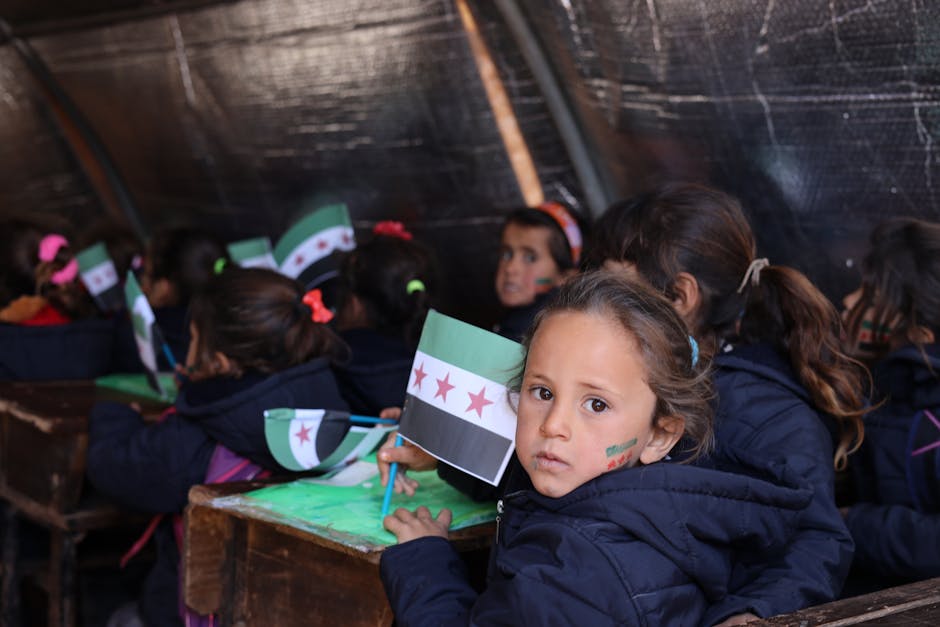
Their daily routines involved attending lectures, practical sessions, and clinical rotations, interspersed with occasional visits home during academic breaks. Life in Iran, while different from India, offered a stable environment for their studies. The dream was clear: to return to India as qualified doctors, ready to serve their communities and uplift their families. This dream, however, now hangs in the balance, overshadowed by regional instability.
Nuh’s Connection to Overseas Education
Nuh, a district often characterized by its rural landscape and developing infrastructure, has a growing trend of students seeking education abroad. Driven by a desire for better opportunities, global exposure, and specialized courses not readily available or affordable in India, many families view overseas education as a pathway to upward mobility. While traditionally students from Nuh might have looked towards Gulf countries for employment, the younger generation increasingly eyes destinations for higher education, including countries in Eastern Europe, Central Asia, and even parts of the Middle East.
The decision to send children abroad is never taken lightly. It involves immense financial planning, emotional sacrifice, and a leap of faith. Families often invest their life savings, sell ancestral property, or take out substantial loans, placing immense hope on their children's success. The two students in Iran represent this broader narrative of aspiration and sacrifice prevalent in Nuh and many other parts of rural India, where education is seen as the ultimate liberator.
Historical Context of Middle East Tensions
The Middle East is a region historically prone to geopolitical volatility, a complex tapestry woven with religious, ethnic, and strategic rivalries. While specific flashpoints shift, the underlying tensions often involve major regional powers, proxy conflicts, and the involvement of global actors. Iran, strategically located and a significant player in the region, has often found itself at the heart of these complexities.
The current escalation in tensions is rooted in a series of events that have unfolded rapidly, particularly since late 2023. These include heightened hostilities between various state and non-state actors, drone and missile exchanges, and disruptions to maritime trade routes in critical waterways like the Red Sea and the Persian Gulf. The fear of a wider, direct conflict has grown palpable, leading to increased security alerts, airspace closures, and a general sense of unease across the region. For countries like Iran, which shares borders with several potentially unstable areas and has a significant role in regional dynamics, the risks are particularly pronounced, directly impacting the safety and travel prospects of foreign nationals within its borders.
Key Developments: Escalation and Travel Disruptions
The situation for the stranded students deteriorated rapidly following a series of significant escalations in the Middle East, transforming a regional conflict into a direct threat to their ability to return home. The ripple effects of military actions and retaliatory strikes quickly manifested in the aviation sector, leaving many travelers, including the Nuh students, in limbo.
The Spark of Recent Conflict
The current phase of heightened tensions can be traced to specific, dramatic incidents that unfolded in recent weeks. Reports of retaliatory strikes involving drones and ballistic missiles between key regional adversaries created an immediate and widespread sense of alarm. These actions, often targeting military installations or strategic assets, significantly raised the specter of an all-out war. News channels globally began to broadcast images of air defense systems in action and warnings of impending attacks, contributing to a climate of fear and uncertainty.
These events, occurring primarily in mid-April, triggered immediate responses from international bodies and governments, urging de-escalation. However, the damage to regional stability was already done, particularly concerning the safety of civilian travel and the operation of commercial airlines over and through the affected airspace. The suddenness and intensity of these developments caught many off guard, including the two students and their families, who had not anticipated such a drastic turn of events.
Airspace Restrictions and Flight Cancellations
One of the most immediate and tangible consequences of the escalating conflict was the severe disruption to air travel. As a precautionary measure against potential missile strikes or drone incursions, several countries in the region, including Iran, temporarily closed their airspace or issued strict advisories for commercial flights. Major international airlines, prioritizing passenger safety, swiftly rerouted flights, canceled services, or suspended operations to and from key regional hubs, including Tehran Imam Khomeini International Airport, which serves as a crucial gateway for travelers to and from Iran.
The impact was immediate and widespread. Passengers with existing bookings found their flights canceled at short notice, often without clear alternatives. The few flights that continued to operate saw exorbitant price hikes, making tickets unaffordable for many students already on tight budgets. The students from Nuh experienced this firsthand; their attempts to secure passage back to India were met with unavailable seats, last-minute cancellations, and prices that were several times their original cost. Even when a flight appeared available, the uncertainty surrounding airspace closures meant there was no guarantee it would actually depart, adding to their frustration and helplessness.
Advisory from Indian Authorities
In response to the deteriorating security situation, the Indian Ministry of External Affairs (MEA) promptly issued advisories for Indian nationals residing in or planning to travel to the affected regions, including Iran. These advisories typically urged citizens to "exercise utmost caution," "avoid non-essential travel," and "consider departing from the region if their stay is not essential." The Indian Embassy in Tehran, along with other diplomatic missions in the Middle East, was tasked with monitoring the situation closely and assisting Indian citizens.
While these advisories provided crucial guidance, implementing them proved challenging for students like those from Nuh. Academic commitments, visa regulations, and especially the financial constraints associated with emergency travel made immediate departure difficult. The advisories, while necessary, also heightened the families' anxieties, confirming their worst fears about the gravity of the situation. The MEA's stance was clear: safety was paramount, but the logistical hurdles for a mass evacuation or even individual repatriations were immense given the fluid nature of the conflict and the extensive disruptions to normal travel channels.
Impact: Fear, Uncertainty, and Diplomatic Efforts
The unfolding crisis has cast a long shadow of fear and uncertainty, not only over the two students in Iran but also over their families thousands of miles away in Nuh. This human dimension of the geopolitical conflict underscores the profound personal cost of regional instability, while also highlighting the vital role of diplomatic efforts in times of crisis.
Families’ Anguish in Nuh
In the quiet villages of Nuh, the news of escalating tensions in the Middle East has brought an unbearable wave of anguish and sleepless nights to the families of the stranded students. Every news update, every phone call, is met with bated breath. The mothers, fathers, and siblings are consumed by a pervasive fear for their loved ones' safety, constantly envisioning the worst-case scenarios. They imagine their children facing shortages of food, water, or even basic security, especially if the conflict were to spill over into the cities where they reside.
Communication has become a lifeline, albeit a fragile one. Erratic internet services or the students' preoccupation with their safety can lead to agonizing periods of silence, during which families grapple with profound helplessness. The financial strain is also immense; the cost of rebooking flights, often at exorbitant last-minute prices, or arranging alternative travel routes is simply beyond their means. They have already invested heavily in their children's education, and now face unforeseen emergency expenses. The entire community in Nuh shares in their grief and concern, offering prayers and support, but ultimately, the families feel isolated in their struggle, yearning for a tangible solution from the authorities.
Students’ Predicament in Iran
For the students themselves, the experience is one of profound psychological distress and practical challenges. The academic environment, once a sanctuary of learning, has been overshadowed by the constant threat of conflict. Universities may have shifted to online classes or even suspended operations, disrupting their studies and jeopardizing their academic progression. Beyond academics, their daily lives are now fraught with anxiety. They likely face restrictions on movement, limited access to public services, and the constant psychological burden of living in a country on high alert.
Resources, which might have seemed ample before, could now be dwindling. Access to funds, whether through local ATMs or international transfers, can become difficult if banking systems are affected. The fear of being caught in a crossfire, or simply being unable to leave, creates a pervasive sense of isolation and vulnerability. While they may be physically safe in their accommodations, the mental toll of being thousands of miles from home, unable to return, and constantly monitoring a volatile situation is immense. They grapple with feelings of helplessness, frustration, and a longing for the familiar safety of their homes in Nuh.
Diplomatic Engagements and Appeals
Recognizing the urgency of the situation, the families in Nuh have not remained passive. They have launched desperate appeals to every possible authority, from local village elders and community leaders to district administration officials, state government representatives, and ultimately, the Ministry of External Affairs (MEA) in New Delhi. These appeals are often channeled through local political leaders, who act as intermediaries, bringing the plight of their constituents to higher echelons of power.
The Haryana state government, including the Chief Minister's office and the Nuh district collector, would likely have received these pleas and formally escalated the matter to the MEA. The MEA, in turn, would typically respond by stating that it is "closely monitoring the situation," "in touch with the Indian Embassy in Tehran," and "exploring all possible options for the safe return of Indian nationals." While these responses are standard diplomatic protocol, they often provide little immediate comfort to anxious families. India has a commendable track record of evacuating its citizens from conflict zones, as seen in Ukraine, Yemen, and Sudan. However, each situation presents unique logistical and political challenges, requiring delicate diplomatic maneuvers, coordination with host nations, and often, the arrangement of special flights or alternative travel routes under challenging circumstances. The complexity of the current Middle East crisis adds another layer of difficulty to such repatriation efforts.
What Next: Hopes for Safe Return and Future Considerations
As the families in Nuh continue their anxious vigil, the focus remains squarely on the immediate goal of bringing their children home safely. Beyond the immediate crisis, however, this incident also prompts broader reflections on the future of overseas education for Indian students and the imperative of geopolitical awareness.
Immediate Steps for Repatriation
The immediate priority for the Indian government and the families is to secure the safe repatriation of the stranded students. This typically involves a multi-pronged approach coordinated by the Indian Embassy in Tehran, under the guidance of the MEA. One of the primary options explored would be the arrangement of special repatriation flights, often referred to as "Vande Bharat Mission" flights or similar operations, which India has successfully deployed in past crises. These flights would operate directly from Iran to India, bypassing the complexities and cancellations of commercial airlines.
However, such operations are contingent on several factors: the stability of the airspace, the willingness of Iranian authorities to grant necessary permissions, and the logistical capacity to gather and transport students to designated departure points. If air travel remains severely restricted, alternative routes might be considered, though these would be significantly more complex and time-consuming, possibly involving land routes to neighboring countries with more stable air connectivity, or even sea routes if feasible. The embassy would also be crucial in facilitating emergency travel documents, exit visas, and ensuring safe passage for the students to the airport or other departure points, providing consular assistance every step of the way.
Long-term Implications for Overseas Education
The predicament of the Nuh students serves as a stark reminder of the inherent risks associated with pursuing education in politically sensitive or volatile regions. In the long term, this incident could influence future decisions made by Indian students and their families regarding overseas education. There might be a shift away from regions prone to geopolitical instability towards countries perceived as more stable and secure, even if it means higher costs. Educational consultants, who play a pivotal role in guiding students, may now be compelled to provide more comprehensive risk assessments, including geopolitical stability, travel advisories, and emergency protocols, alongside academic and financial considerations.
Furthermore, there might be an increased emphasis on robust travel insurance policies that cover emergency evacuations and medical emergencies in conflict zones. Universities and educational institutions abroad might also face greater scrutiny regarding their emergency response plans for international students. For Indian families, the emotional and financial toll of such crises could lead to a more cautious approach, prioritizing safety and security above all else when selecting an overseas study destination. This incident highlights the need for students themselves to be more informed about the geopolitical landscape of their host countries.
Monitoring the Regional Situation
The Middle East conflict is dynamic and unpredictable, making continuous monitoring of the regional situation absolutely critical. Diplomatic missions, intelligence agencies, and international organizations will continue to track developments closely, assessing the potential for further escalation or, hopefully, de-escalation. Any shift in the conflict's intensity or geographical spread directly impacts the feasibility and safety of repatriation efforts.
The international community's efforts towards de-escalation and diplomatic resolution will also play a crucial role. A reduction in hostilities could lead to the reopening of airspace and the resumption of normal commercial flights, easing the path for the students' return. Conversely, further escalation could complicate matters even more, potentially necessitating more complex and dangerous evacuation procedures. For the families in Nuh and the stranded students, every update on the regional situation carries immense weight, dictating the timeline of their hopes and fears. The broader humanitarian concerns, including the safety of all civilians in the conflict zones, remain a paramount consideration for global actors.
