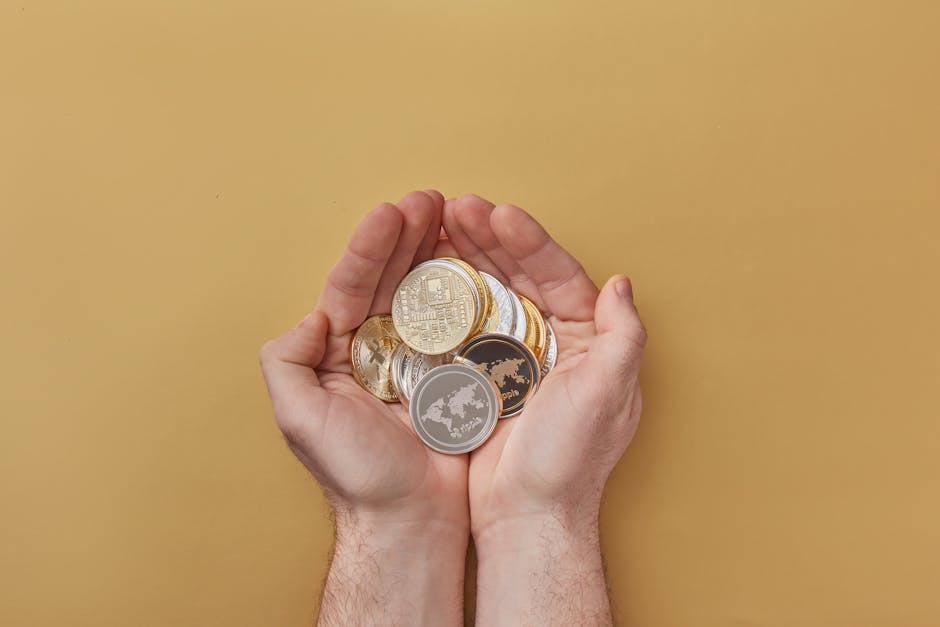
Global financial markets witnessed a significant surge in gold and silver Exchange Traded Funds (ETFs) in recent trading sessions, as escalating tensions surrounding the Iran conflict prompted investors to seek safe-haven assets. This sharp uptick reflects a broader market apprehension regarding geopolitical stability and its potential economic ramifications across the world. The shift in investor sentiment highlights the enduring appeal of precious metals during times of uncertainty.
Background: The Enduring Appeal of Safe Havens Amid Geopolitical Strife
The role of precious metals, particularly gold and silver, as safe-haven assets is deeply rooted in financial history. For centuries, gold has been a universally accepted store of value, often appreciating during periods of economic instability, high inflation, or geopolitical conflict. Its tangible nature and limited supply contribute to its perceived intrinsic value, making it a preferred choice when conventional financial instruments face headwinds. Silver, while possessing a dual role as both a monetary metal and an industrial commodity, also tends to track gold's safe-haven appeal, albeit with higher volatility due to its industrial demand fluctuations.
Historical Precedent for Precious Metals as Hedges
Historically, major global conflicts and economic crises have invariably driven demand for gold. During the two World Wars, the Great Depression, and more recently, the 2008 global financial crisis and the COVID-19 pandemic, gold prices demonstrated resilience and often climbed as investors sought refuge from market turmoil. This pattern is not merely anecdotal; it is a recurring phenomenon observed across diverse economic cycles and geopolitical events, affirming gold's status as a reliable hedge against uncertainty. Silver often follows gold's trajectory, albeit with a greater sensitivity to industrial demand which can sometimes temper its safe-haven rallies.
The Rise of Precious Metal ETFs
The advent of Exchange Traded Funds (ETFs) in the early 2000s revolutionized access to precious metals for both institutional and retail investors. Products like the SPDR Gold Shares (GLD), launched in 2004, and the iShares Silver Trust (SLV), introduced in 2006, provided a convenient and cost-effective way to gain exposure to the price movements of physical gold and silver without the complexities of direct ownership, storage, and insurance. These instruments quickly gained popularity, democratizing investment in precious metals and allowing for easier integration into diversified portfolios. Their liquidity and transparency have made them crucial barometers of investor sentiment towards safe-haven assets.
A Timeline of the Iran Conflict and Regional Tensions
The current surge in safe-haven demand is directly linked to the protracted and escalating conflict involving Iran and its proxies across the Middle East. The roots of the recent escalation can be traced back to the 2018 withdrawal of the United States from the Joint Comprehensive Plan of Action (JCPOA), also known as the Iran nuclear deal, and the subsequent re-imposition of stringent sanctions on Tehran. This move reignited regional tensions and led to a series of retaliatory actions and proxy conflicts.
Key developments include: 2019: Attacks on oil tankers in the Gulf of Oman and drone strikes on Saudi Arabian oil facilities, attributed to Iran or its allies, significantly heightened concerns about energy supply disruptions from the critical Strait of Hormuz.
2020: The assassination of Iranian General Qassem Soleimani in Baghdad by a US drone strike sparked fears of a direct military confrontation, causing a temporary spike in gold prices.
Ongoing Proxy Conflicts: Iran's support for various non-state actors, including Hezbollah in Lebanon, the Houthi rebels in Yemen, and various militia groups in Iraq and Syria, has fueled regional instability. These proxy conflicts often involve attacks on shipping, infrastructure, and military targets, creating a volatile environment.
Recent Escalation (Late 2023 – Early 2024): The Israel-Hamas conflict in Gaza significantly exacerbated regional tensions. The Houthi rebels in Yemen, backed by Iran, began launching missile and drone attacks on commercial shipping in the Red Sea, a vital global trade artery. These attacks, ostensibly in solidarity with Palestinians, led to major shipping companies diverting vessels around Africa, causing significant delays and increased costs.
International Response: The US and its allies have responded with naval deployments and targeted strikes against Houthi military sites in Yemen, further widening the scope of the conflict and raising the specter of a broader regional conflagration involving Iran directly or indirectly.
This intricate web of geopolitical developments continuously fuels market uncertainty, prompting investors to seek out traditional safe havens like gold and silver.
Key Developments: Market Reactions to Widening Conflict
The escalating situation in the Middle East has had an immediate and discernible impact on global financial markets, with precious metal ETFs leading the charge as beneficiaries of increased risk aversion. Investors are closely monitoring every development, interpreting each incident as a potential catalyst for further market shifts.
Precious Metal ETF Performance
In recent trading sessions, gold and silver ETFs have demonstrated robust performance. For instance, the SPDR Gold Shares (GLD), the world's largest gold-backed ETF, saw its price climb by approximately 3-5% over a recent week-long period, pushing gold spot prices above the critical $2,050 per ounce mark, and at times nearing all-time highs previously seen. Similarly, the iShares Silver Trust (SLV) experienced comparable percentage gains, with silver spot prices testing resistance levels around $23-$24 per ounce.
Trading volumes for these ETFs have also surged, indicating heightened investor interest and increased capital flows into the precious metals sector. On specific days of significant geopolitical news, daily trading volumes for GLD and SLV have been observed to increase by 20-40% above their 30-day averages, reflecting a frantic shift towards safety. Regional ETFs, such as those tracking gold in India (e.g., ICICI Prudential Nifty Gold ETF) and Europe, have also mirrored these upward trends, underscoring the global nature of this safe-haven demand.
Broader Market Sentiment and Drivers
The rally in precious metals is not an isolated event but rather a symptom of broader market apprehension. Several interconnected factors are driving this sentiment:
The Fear Index (VIX)
The CBOE Volatility Index (VIX), often referred to as the market's "fear gauge," typically rises during periods of uncertainty. Following significant escalations in the Middle East, the VIX has shown notable spikes, signaling increased investor anxiety and a greater perceived risk in equity markets. This elevated fear directly translates into a search for less volatile assets, benefiting gold and silver.
US Dollar Index (DXY) Movements
The US Dollar Index (DXY), which measures the dollar's value against a basket of major currencies, often has an inverse relationship with gold. While a strong dollar can sometimes weigh on gold prices (making dollar-denominated gold more expensive for foreign buyers), during severe global crises, both the dollar and gold can act as safe havens simultaneously. In the current environment, the dollar has shown mixed movements, but the underlying demand for gold as a hedge against geopolitical risk has largely overshadowed the traditional inverse correlation, especially when the crisis has global implications.
Interest Rate Expectations and Inflation Concerns
Central bank policies, particularly those of the US Federal Reserve, play a significant role. Expectations regarding interest rate hikes or cuts influence the attractiveness of non-yielding assets like gold. However, the current geopolitical premium on gold is so strong that it has often decoupled from immediate interest rate expectations. Moreover, the conflict's potential to disrupt global energy supplies and supply chains raises the specter of renewed inflationary pressures. Gold is traditionally seen as an inflation hedge, further bolstering its appeal in such a scenario.
Central Bank Gold Accumulation
Beyond individual investor behavior, central banks globally have been significant net buyers of gold in recent years. This trend, driven by diversification away from the US dollar, geopolitical risk hedging, and a desire to bolster national reserves, provides a strong underlying demand floor for gold prices. Countries like China, India, and various emerging economies have consistently added to their gold holdings, reinforcing the metal's status as a strategic asset.
Reactions Across Other Asset Classes
The ripple effects of the Iran conflict extend far beyond precious metals:
Oil Prices
Crude oil prices, particularly Brent and West Texas Intermediate (WTI) benchmarks, have seen significant upward pressure. The Middle East is the world's primary oil-producing region, and any threat to its stability or to key shipping lanes like the Strait of Hormuz or the Red Sea directly impacts global oil supply. Higher oil prices translate into increased energy costs for businesses and consumers, fueling inflationary concerns and potentially dampening economic growth.
Equity Markets
Global equity markets have generally reacted negatively to the escalating tensions. Major indices such as the S&P 500, Dow Jones Industrial Average, FTSE 100, Nikkei 225, and DAX have experienced periods of decline or heightened volatility as investors de-risk their portfolios. Sectors particularly sensitive to geopolitical instability, such as airlines, shipping, and manufacturing, have faced increased pressure due to rising operational costs and supply chain disruptions.
Bond Markets
In a classic "flight to safety," government bonds, especially US Treasuries, have seen increased demand. This often leads to a decrease in bond yields as prices rise. Investors view these bonds as a secure haven for capital during times of uncertainty, despite their lower returns compared to riskier assets.
Impact: Who Is Affected and How
The widening Iran conflict and the subsequent market reactions have far-reaching implications, affecting various stakeholders from individual investors to the global economy.
Impact on Investors
Holders of Precious Metal ETFs
Investors who already hold gold and silver ETFs in their portfolios have seen their holdings appreciate, providing a hedge against the volatility in other asset classes. This validates the diversification strategy of incorporating safe-haven assets.
New Investors
For those considering new investments, the current surge presents both an opportunity and a risk. While the upward momentum is attractive, entering the market at elevated prices carries the risk of a correction if tensions de-escalate. Careful consideration of entry points and long-term outlooks is crucial.
Diversified Portfolios
The conflict underscores the importance of a well-diversified portfolio. Assets like gold and silver often have a low correlation with equities and bonds, meaning they can perform well when other assets are struggling, thereby reducing overall portfolio risk. Institutional investors, pension funds, and sovereign wealth funds often maintain strategic allocations to precious metals for this very reason. Retail investors are increasingly following suit, using ETFs as their primary vehicle.
Impact on the Global Economy
Inflationary Pressures
The most immediate and tangible economic impact stems from rising oil prices. Higher energy costs feed into inflation across the board, affecting transportation, manufacturing, and consumer goods. Central banks face a dilemma: raise interest rates to combat inflation, potentially slowing economic growth, or maintain accommodative policies and risk entrenched inflation. This geopolitical inflation component complicates monetary policy decisions globally.
Supply Chain Disruptions
The Red Sea attacks, in particular, have created significant disruptions to global shipping lanes. The diversion of vessels around the Cape of Good Hope adds weeks to transit times and increases fuel costs, impacting supply chains for everything from consumer electronics to agricultural products. This leads to delays, higher shipping fees, and ultimately, increased costs for consumers and businesses worldwide. Industries reliant on just-in-time inventory management are particularly vulnerable.
Consumer Spending and Business Confidence
Higher inflation and economic uncertainty can erode consumer purchasing power and confidence. Businesses may postpone investment decisions due to an unclear economic outlook, potentially leading to slower job growth and reduced economic activity. Sectors like tourism and hospitality, which are sensitive to travel costs and consumer sentiment, may also experience downturns.
Geopolitical Stability and Energy Security
The conflict's widening scope jeopardizes regional stability in the Middle East, a historically volatile but strategically vital region. For energy-importing nations, particularly in Europe and Asia, the threat to oil and gas supplies poses a significant energy security challenge, prompting a reassessment of energy diversification strategies.
What Next: Navigating the Uncertain Landscape
Predicting the future trajectory of the Iran conflict and its market implications is challenging, given the multitude of unpredictable variables. However, investors and policymakers can consider several potential scenarios and strategies.
Potential Scenarios for the Iran Conflict
De-escalation through Diplomacy
A primary hope is for diplomatic efforts to succeed in de-escalating tensions. This could involve international mediation, renewed negotiations on regional security, or a ceasefire in specific proxy conflicts. A significant de-escalation would likely reduce risk aversion, potentially leading to a pullback in gold and silver prices as capital flows back into riskier assets.
Prolonged Stalemate and Proxy Warfare
Another scenario involves a continuation of the current state of affairs: no direct full-scale war, but ongoing proxy conflicts, intermittent attacks, and persistent threats to shipping and regional stability. In this environment, precious metals would likely maintain their elevated status, reacting to each new incident while remaining sensitive to broader economic data. This "new normal" of elevated geopolitical risk would keep a floor under safe-haven demand.
Further Escalation and Regional Conflagration
The most concerning scenario is a direct military confrontation involving major regional or global powers. Such an event would undoubtedly trigger a massive flight to safety, sending gold and silver prices soaring to unprecedented levels. It would also have catastrophic economic consequences, including potential oil supply shocks, severe market downturns, and widespread inflationary pressures. The global community is actively working to prevent this outcome.
Market Forecasts for Precious Metals
Analyst opinions on the future of gold and silver vary, depending on their geopolitical outlook and economic forecasts.
Bullish Outlook
Many analysts, particularly from institutions like Goldman Sachs and UBS, maintain a bullish outlook on gold, projecting prices to remain above $2,000 per ounce and potentially reaching $2,300-$2,500 per ounce in 2024 if geopolitical risks persist or if the US Federal Reserve begins cutting interest rates. They cite ongoing central bank demand, persistent inflation concerns, and a potential weakening of the US dollar as additional tailwinds.
Cautious Outlook
Other analysts adopt a more cautious stance, suggesting that much of the geopolitical premium may already be priced in. They argue that a significant de-escalation or a shift towards aggressive interest rate hikes by central banks could trigger a correction in precious metal prices. However, even under this outlook, most do not foresee a drastic collapse in prices, given the underlying demand and structural factors supporting gold.
Silver's Dual Nature
Silver's trajectory is often more complex due to its significant industrial demand (e.g., in solar panels, electronics). While it benefits from safe-haven flows, its price can be more sensitive to global economic growth prospects. A robust global economy would boost industrial demand, supporting silver, while a slowdown could temper its gains despite geopolitical tailwinds. Forecasts generally see silver outperforming gold in a strong economic recovery, but lagging during pure safe-haven rallies.
Investment Strategies in Volatile Times
Given the current environment, investors might consider several strategies:
Portfolio Rebalancing
Reviewing and rebalancing portfolios to ensure an appropriate allocation to safe-haven assets is prudent. This might involve increasing exposure to precious metals, either directly or through ETFs, while potentially trimming positions in more volatile assets.
Dollar-Cost Averaging
For those looking to enter or increase their exposure to gold and silver, dollar-cost averaging can be an effective strategy. Investing a fixed amount regularly, regardless of price fluctuations, helps mitigate the risk of buying at a market peak.
Diversification Beyond Precious Metals
While precious metals offer a hedge, a truly diversified portfolio includes other defensive assets. These might include high-quality dividend stocks, certain commodities (like agriculture, which can also act as an inflation hedge), and short-duration government bonds.
Monitoring Key Indicators
Staying informed about geopolitical developments, central bank policy announcements, inflation data, and market volatility indices (like the VIX) is crucial. These indicators provide valuable insights into market sentiment and potential future movements.
Long-Term Outlook for Precious Metals
Beyond the immediate conflict, the long-term outlook for precious metals remains robust due to several enduring factors:
Persistent Inflationary Pressures: Global debt levels, fiscal spending, and supply chain vulnerabilities suggest that inflation may remain a persistent concern, enhancing gold's role as an inflation hedge.
De-dollarization Trends: Some central banks and countries are actively seeking to reduce their reliance on the US dollar, potentially increasing demand for alternative reserve assets like gold.
Geopolitical Fragmentation: A more fragmented and multipolar world order, characterized by ongoing regional conflicts and superpower rivalries, will likely sustain demand for safe-haven assets.
Industrial Demand for Silver: The global push towards renewable energy and electrification ensures a strong long-term industrial demand outlook for silver, providing a fundamental floor for its price.
In conclusion, the surge in gold and silver ETFs underscores the market's acute sensitivity to geopolitical instability. While the immediate catalyst is the widening Iran conflict, the underlying demand for precious metals reflects deeper concerns about economic stability and future uncertainty. Investors are advised to approach the current environment with caution, relying on informed analysis and well-considered strategies to navigate the complex interplay of geopolitics and financial markets.